Natural England Raises Fundamental Concerns Over Calderdale Energy Park
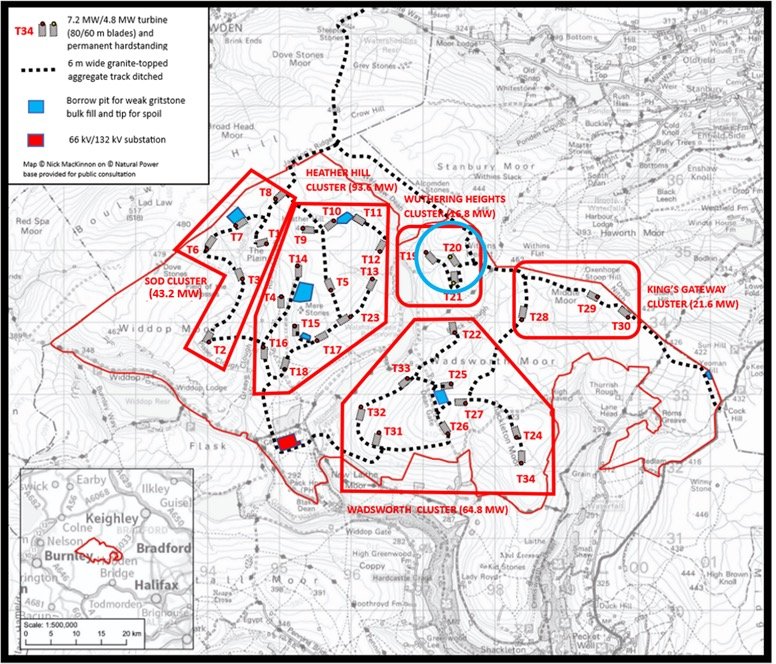
Natural England’s statutory response to the proposed Calderdale Energy Park (CEP) has raised a wide range of concerns about the environmental information currently provided for the development on Walshaw Moor.
Dated 10 June 2026, the response follows the developer’s Section 42 statutory pre-application consultation. Natural England says it has reviewed the Preliminary Environmental Information Report (PEIR) and supporting documents in the areas relevant to its remit. It also makes clear that further comments may follow when documents such as the shadow Habitats Regulations Assessment and Report to Inform European Sites Assessment are produced.
The significance of the response lies not simply in its length, but in the nature of the concerns it records. Natural England has colour-coded its detailed comments: red identifies “fundamental concerns which it may not be possible to overcome in their current form”, while amber identifies cases where more information is required before the impacts or proposed mitigation can be properly understood. Yellow comments record disagreement with the applicant’s approach without Natural England currently considering them material to the decision, while grey entries are notes for attention.
Peat and hydrology at the centre of the concerns
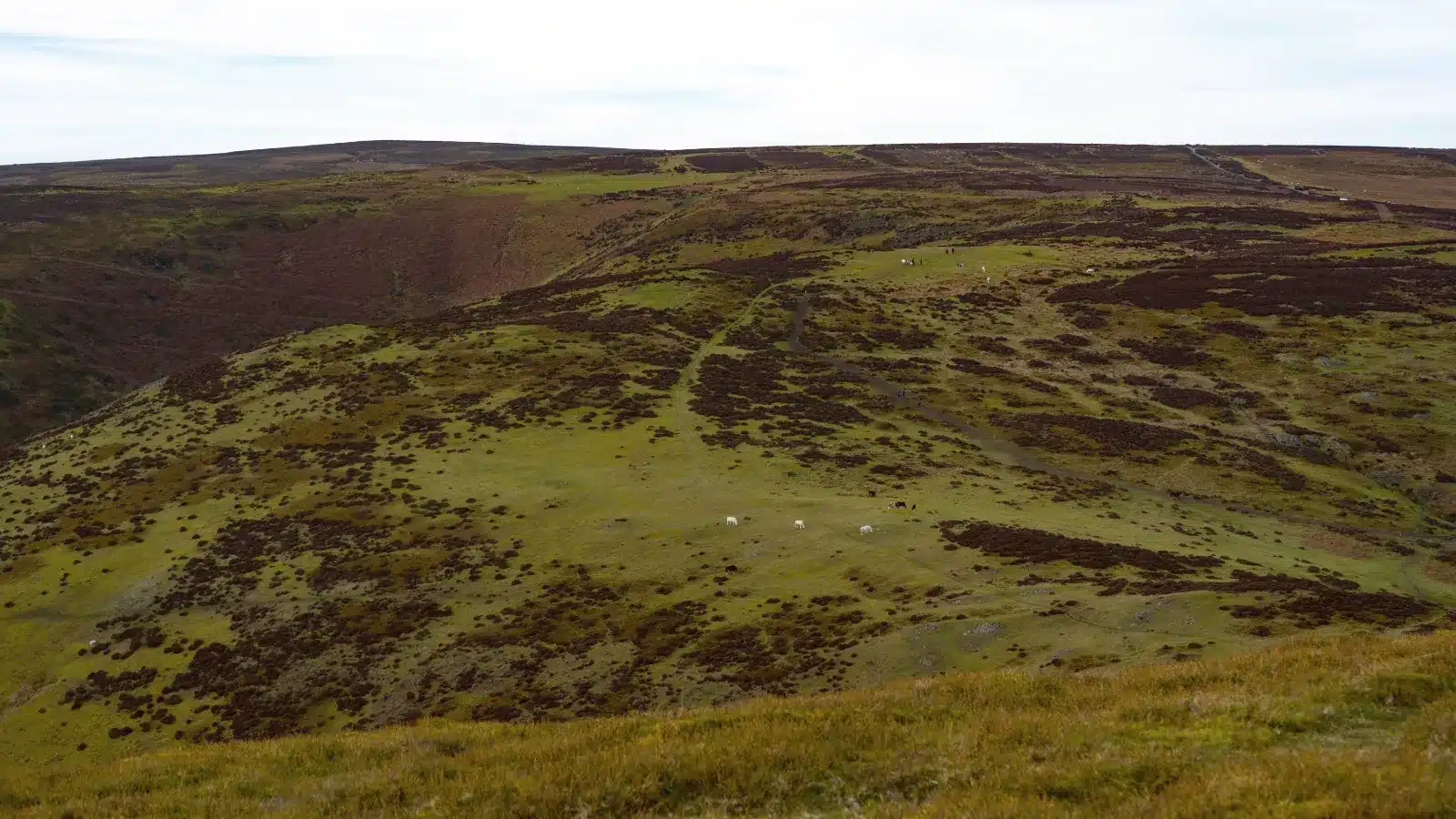
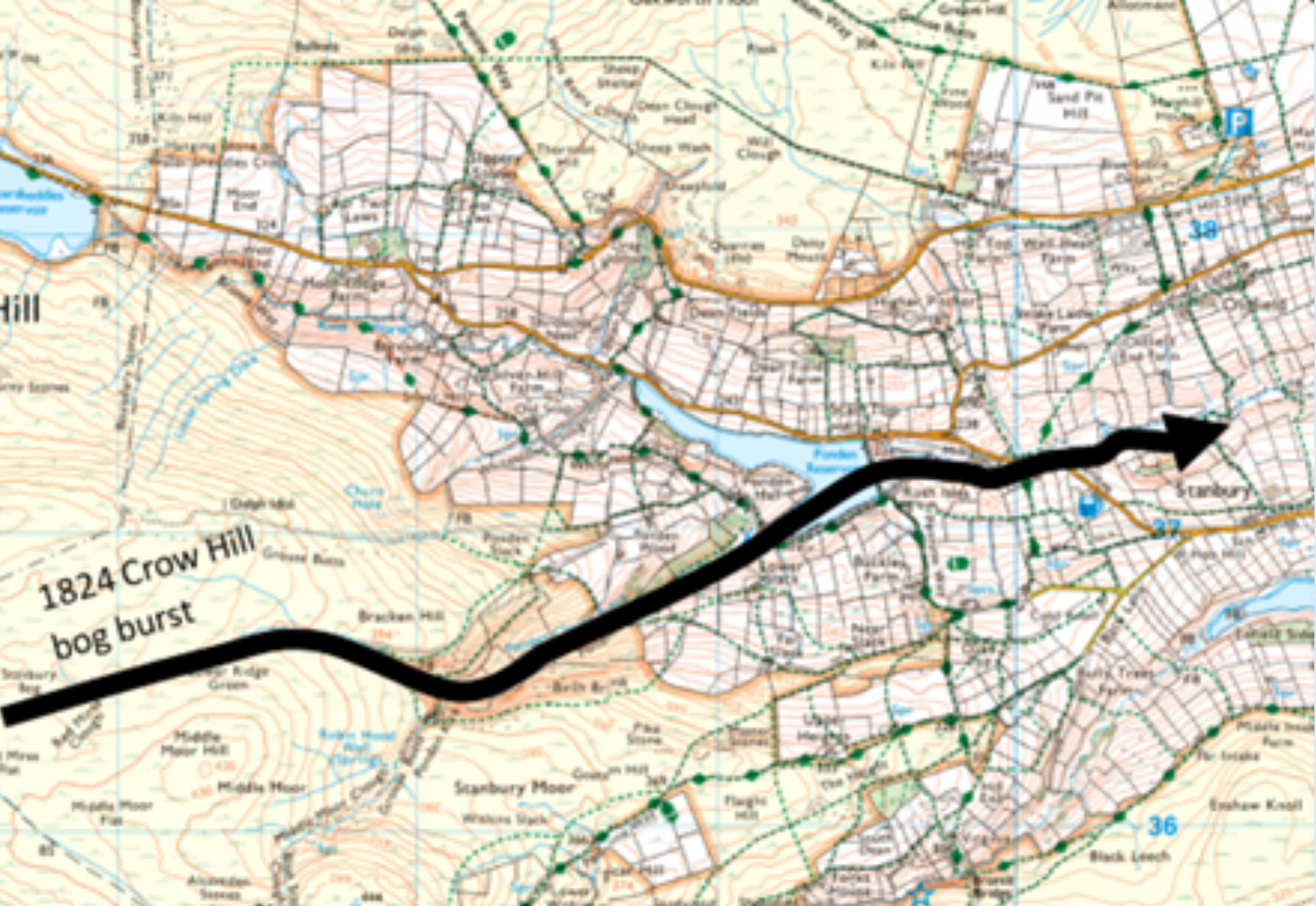
One of the clearest themes running through the response is the treatment of Walshaw Moor’s peatland.
Natural England says the assessment needs to consider the wider eco-hydrological functioning of the peatland, rather than treating individual areas in isolation. It advises that impacts on blanket bog and the underlying peat should be assessed at the level of peatland hydromorphological units, including connected areas where necessary.
It also challenges aspects of the habitat classification used in the PEIR. Natural England says the site’s blanket bog resource falls within the relevant Annex 1 definition and considers the blanket bog, although modified, to be mostly stable and recovering and part of the SAC feature. It says that underestimating the quality and extent of the habitat has consequences for the assessment of impacts, mitigation and potential compensation.
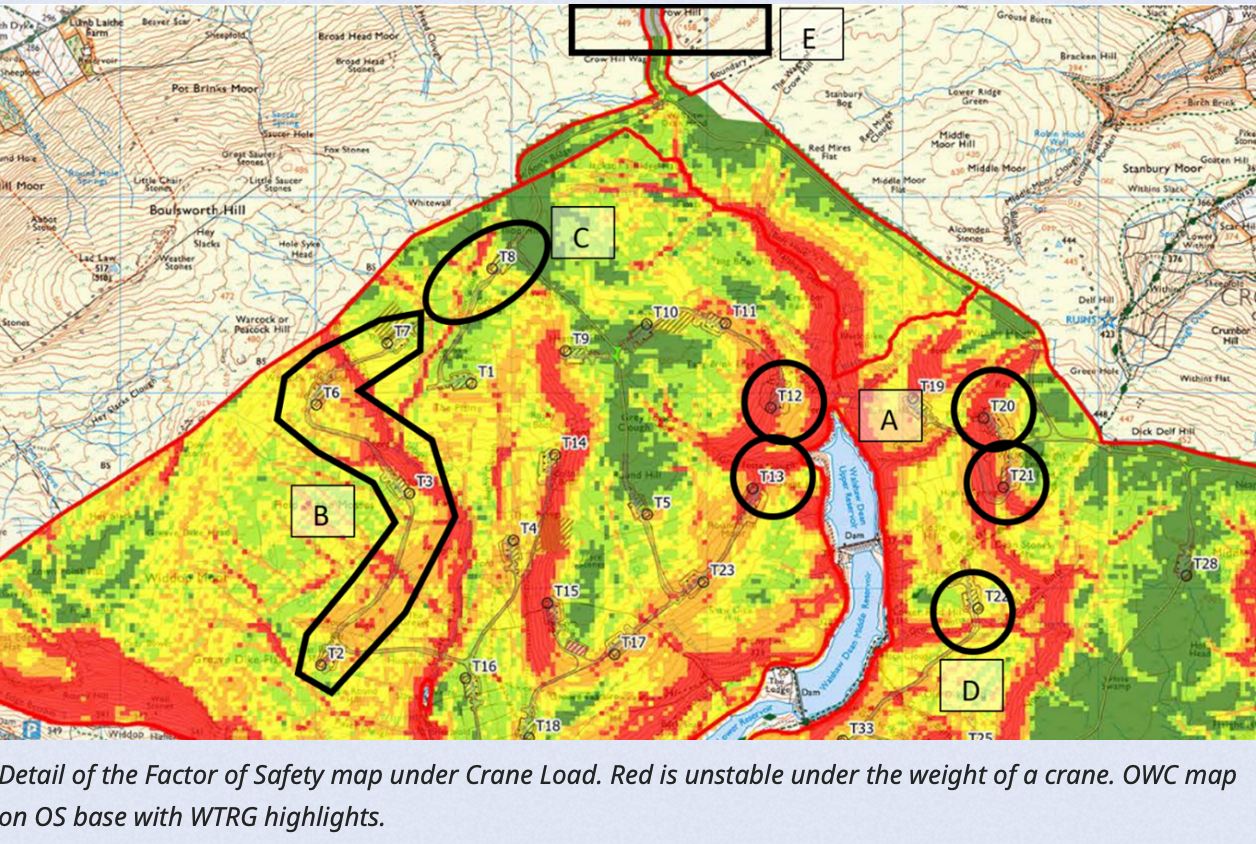
The detailed tables contain a series of red-coded concerns relating to peat, including the proposed approach to peat reuse and restoration, construction compounds, temporary excavation, borrow pits, cable trenches, peat storage and the proposed peat-mass balance. These concerns go to the question of whether disturbance can genuinely be regarded as temporary or adequately compensated through reinstatement. The response repeatedly emphasises the functional and hydrological characteristics of peat, rather than simply the volume of material removed.
Birds and protected sites
Natural England also raises substantial concerns about the assessment of birds associated with the South Pennine Moors SPA.
Its advice says that the assessment should not rely on a simple numerical threshold for bird numbers. Frequency of use, species diversity, population trends, conservation objectives and the importance of the land as supporting habitat all need to be considered. Natural England specifically states that the familiar 1% “rule of thumb” should not be used on its own to define important functionally linked land around the SPA.
What this means for the planning process
Natural England is not, in this letter, making the final planning decision on Calderdale Energy Park. Nor does the response amount to a final determination that the development cannot proceed.
But it does establish that the current PEIR leaves significant questions still to be answered. Natural England says that the eventual appropriate assessment must robustly establish the residual effects on the SAC and SPA after mitigation. Where mitigation is relied upon, its advice says it must be effective, reliable, timely, guaranteed and of sufficient duration, with evidence supporting its effectiveness over the lifetime of the project.
The response therefore puts the quality of the environmental assessment under particular scrutiny as the Calderdale Energy Park proposal moves towards the Development Consent Order process.
For Walshaw Moor, the key questions are not confined to individual turbines. They concern the integrity of the wider peatland system, the treatment of protected habitats, the use of supporting land by SPA birds, the reliability of proposed mitigation and whether the environmental evidence is sufficiently robust for the impacts of the development to be properly understood.
Natural England’s full response provides the detailed evidence behind these concerns. Read the document for the full red, amber, yellow and grey comments and the technical advice that will need to be addressed as the project progresses.
Source: Natural England’s response to the Section 42 consultation on Calderdale Energy Park, dated 10 June 2026.
Stop Calderdale Energy Park © by Stronger Together to Stop Calderdale Windfarm
Stronger Together to Stop Calderdale Windfarm is licensed under Creative Commons Attribution-NonCommercial-ShareAlike 4.0 International