Natural England Raises Fundamental Concerns Over Calderdale Energy Park
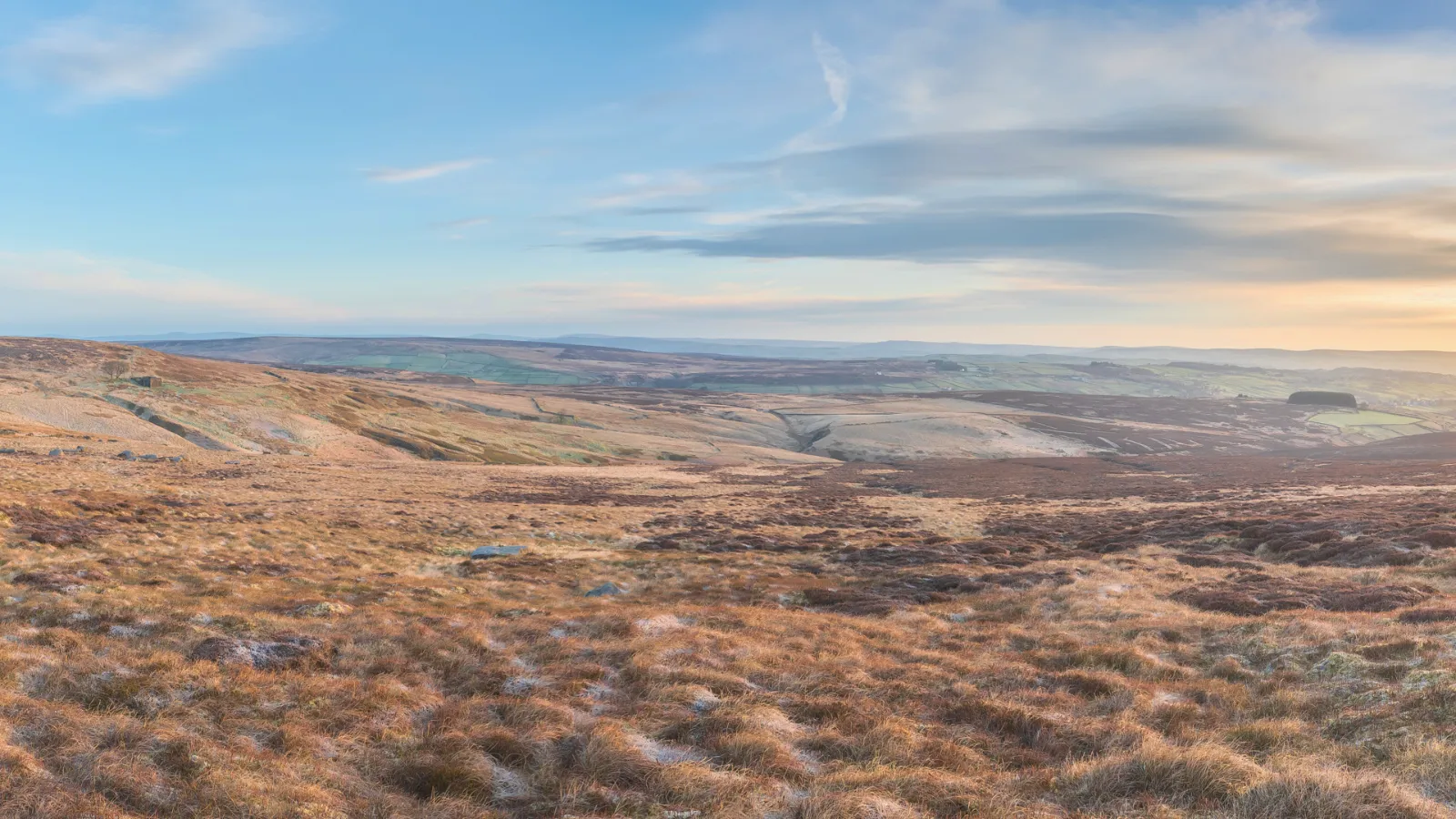
Natural England’s statutory response to the proposed Calderdale Energy Park (CEP) has raised a wide range of concerns about the environmental information currently provided for the development on Walshaw Moor.

Dated 10 June 2026, the response follows the developer’s Section 42 statutory pre-application consultation. Natural England says it has reviewed the Preliminary Environmental Information Report (PEIR) and supporting documents in the areas relevant to its remit. It also makes clear that further comments may follow when documents such as the shadow Habitats Regulations Assessment and Report to Inform European Sites Assessment are produced.

The significance of the response lies not simply in its length, but in the nature of the concerns it records. Natural England has colour-coded its detailed comments: red identifies “fundamental concerns which it may not be possible to overcome in their current form”, while amber identifies cases where more information is required before the impacts or proposed mitigation can be properly understood. Yellow comments record disagreement with the applicant’s approach without Natural England currently considering them material to the decision, while grey entries are notes for attention.

Peat and hydrology at the centre of the concerns

One of the clearest themes running through the response is the treatment of Walshaw Moor’s peatland.

Natural England says the assessment needs to consider the wider eco-hydrological functioning of the peatland, rather than treating individual areas in isolation. It advises that impacts on blanket bog and the underlying peat should be assessed at the level of peatland hydromorphological units, including connected areas where necessary.

It also challenges aspects of the habitat classification used in the PEIR. Natural England says the site’s blanket bog resource falls within the relevant Annex 1 definition and considers the blanket bog, although modified, to be mostly stable and recovering and part of the SAC feature. It says that underestimating the quality and extent of the habitat has consequences for the assessment of impacts, mitigation and potential compensation.

The detailed tables contain a series of red-coded concerns relating to peat, including the proposed approach to peat reuse and restoration, construction compounds, temporary excavation, borrow pits, cable trenches, peat storage and the proposed peat-mass balance. These concerns go to the question of whether disturbance can genuinely be regarded as temporary or adequately compensated through reinstatement. The response repeatedly emphasises the functional and hydrological characteristics of peat, rather than simply the volume of material removed.

Birds and protected sites

Natural England also raises substantial concerns about the assessment of birds associated with the South Pennine Moors SPA.

Its advice says that the assessment should not rely on a simple numerical threshold for bird numbers. Frequency of use, species diversity, population trends, conservation objectives and the importance of the land as supporting habitat all need to be considered. Natural England specifically states that the familiar 1% “rule of thumb” should not be used on its own to define important functionally linked land around the SPA.

What this means for the planning process

Natural England is not, in this letter, making the final planning decision on Calderdale Energy Park. Nor does the response amount to a final determination that the development cannot proceed.

But it does establish that the current PEIR leaves significant questions still to be answered. Natural England says that the eventual appropriate assessment must robustly establish the residual effects on the SAC and SPA after mitigation. Where mitigation is relied upon, its advice says it must be effective, reliable, timely, guaranteed and of sufficient duration, with evidence supporting its effectiveness over the lifetime of the project.

The response therefore puts the quality of the environmental assessment under particular scrutiny as the Calderdale Energy Park proposal moves towards the Development Consent Order process.

For Walshaw Moor, the key questions are not confined to individual turbines. They concern the integrity of the wider peatland system, the treatment of protected habitats, the use of supporting land by SPA birds, the reliability of proposed mitigation and whether the environmental evidence is sufficiently robust for the impacts of the development to be properly understood.

Natural England’s full response provides the detailed evidence behind these concerns. Read the document for the full red, amber, yellow and grey comments and the technical advice that will need to be addressed as the project progresses.

Source: Natural England’s response to the Section 42 consultation on Calderdale Energy Park, dated 10 June 2026.

Stop Calderdale Energy Park © by Stronger Together to Stop Calderdale Windfarm

Stronger Together to Stop Calderdale Windfarm is licensed under Creative Commons Attribution-NonCommercial-ShareAlike 4.0 International
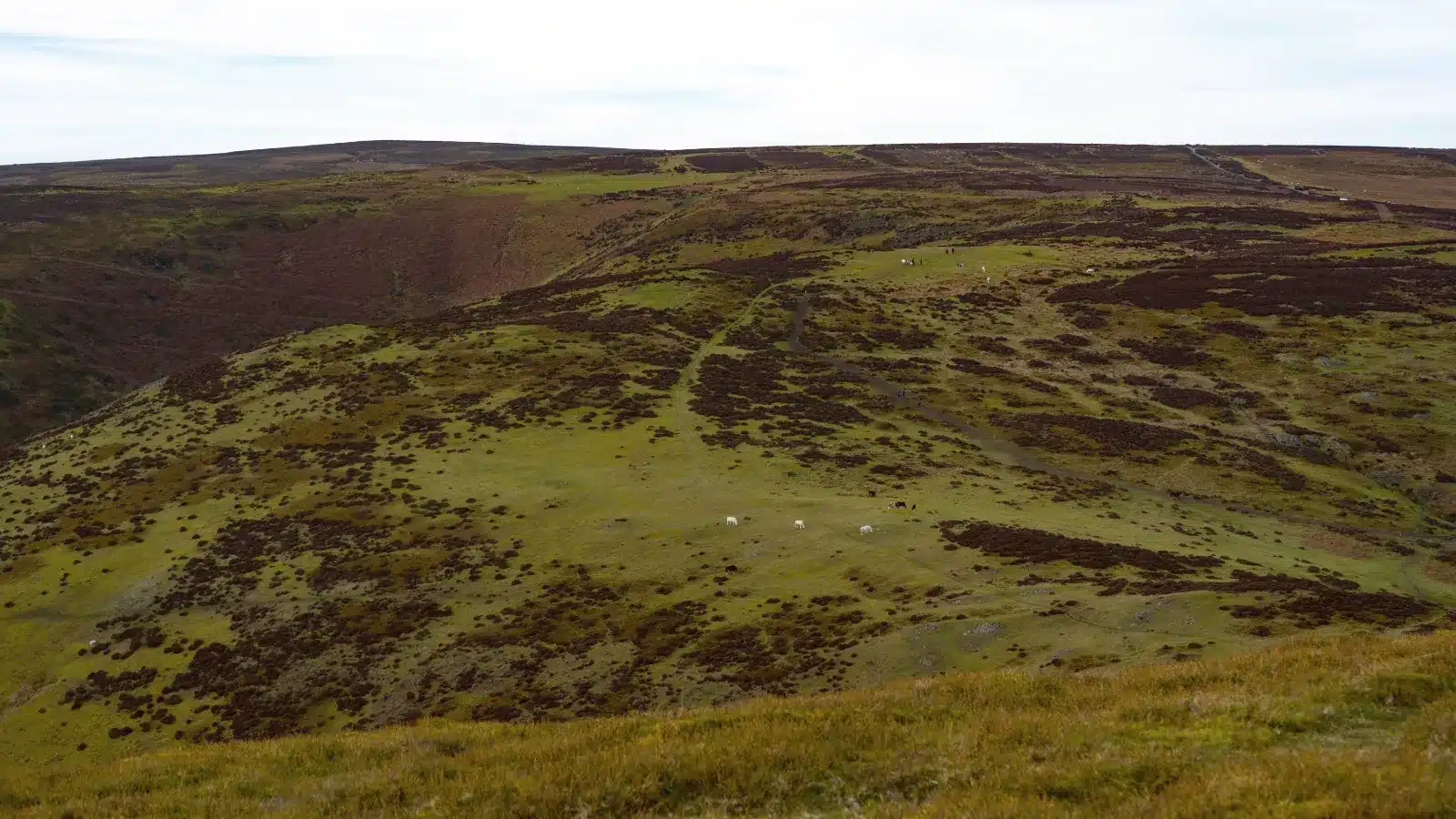
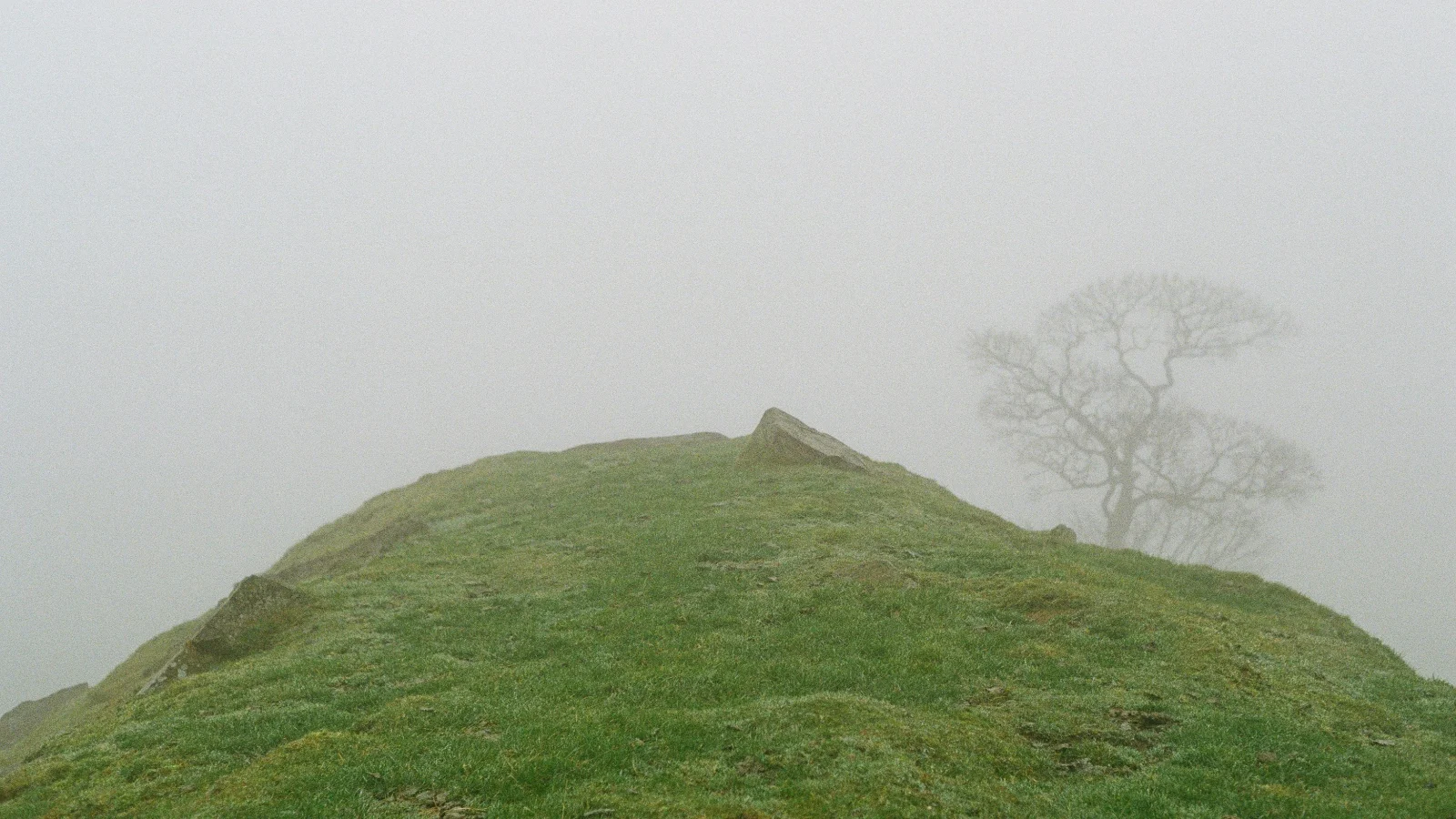
Natural England on Calderdale Energy Park: “likely to be insurmountable”

The question has been hanging over Calderdale Energy Park for some time: what does Natural England, the government’s statutory adviser on the natural environment, actually think about the proposal to build on Walshaw Moor?

Now we have a clear answer.

A covering letter dated 10 June 2026, accompanying Natural England’s formal response to the Section 42 consultation on Calderdale Energy Park, sets out fundamental concerns about the proposed development and its potential effects on protected habitats, birds, peatland, landscape and ecosystem functioning.

Natural England says the evidence in the Preliminary Environmental Information Report (PEIR) demonstrates that the proposed site is an “exceptional area for nature”, containing internationally important habitats, birds and landscape character. The agency notes that baseline surveys recorded more than 100 bird species and more than 1,000 hectares of irreplaceable blanket bog — identified as the key feature of the Special Area of Conservation (SAC).

Natural England also says it believes the quality of the SAC habitats and their ecosystem functioning have been consistently underestimated in the PEIR’s Biodiversity Chapter, with consequences for the assessment of impacts and the amount of mitigation and compensation required. It raises particular concerns about the carbon consequences of destroying or damaging peatland, saying that potential CO₂ emissions have not been adequately accounted for because of what it describes as under-precautionary assumptions concerning peat volume, carbon density, storage, restoration effectiveness, hydrology and electricity yield

The agency identifies a wide range of potential impacts. These include displacement, disturbance, collision risk and habitat loss for birds; destruction and long-term degradation of peatland; loss of biodiversity; damage to peatland ecosystem functioning; and the release of CO₂. It also identifies significant effects on the Calderdale Special Landscape Area, which Natural England says has high national value and cultural significance as Brontë Country, as well as wider effects on four Protected Landscapes and their settings.

There is also a significant issue around site selection and alternatives. Natural England points to national policy stating that applicants should rule out other locations before siting on peatland, particularly areas of deep peat. It says the PEIR does not demonstrate how alternative non-peatland locations were identified or considered, and advises that alternative sites should be explored beyond the restrictive parameters proposed in the site’s selection criteria.

And Natural England has considered whether the proposed changes to Calderdale Energy Park have solved these problems. The proposal has already been reduced from 65 to 34 turbines, while the battery storage and solar elements have been removed. However, Natural England says that although these changes have reduced some localised impacts, the overall impacts remain extremely high. It notes that substantial infrastructure, including turbines, access tracks and cabling, remains on deep peat.

The most striking part of the letter concerns compensation. Natural England says it has concerns about the technical and ecological feasibility of compensating for the scale and complexity of the proposed loss of irreplaceable habitat, bird impacts and changes to ecosystem functioning.

Its reasoning is stark

Blanket bog cannot simply be recreated. It takes thousands of years to form and depends on particular climatic and hydrological conditions. Natural England also says that recreating an extensive, complex upland habitat mosaic capable of supporting a similar diversity and density of breeding birds is not considered possible within any realistic timescale.

That leads to Natural England’s central conclusion. The agency advises that it does not expect it will be possible to agree effective measures that adequately compensate for the effects of the development. Overall, it considers these issues “likely to be insurmountable” in its engagement with the application and in relation to compliance with the Habitats Regulations.

Natural England says it will continue engaging with the developer and would welcome Expert Topic Groups involving relevant consultees, including the Environment Agency. But it adds that it does not expect it will be possible to reach agreement on key issues.

For Calderdale Energy Park, this is a significant intervention from the statutory nature conservation adviser. The full Natural England response deserves careful reading – because it sets out, in considerable detail, why the agency considers the environmental challenges created by the proposed development to be so difficult to resolve.

Now we know what Natural England thinks.

Source: Natural England’s response to the Section 42 consultation on Calderdale Energy Park, dated 10 June 2026.

Stop Calderdale Energy Park © by Stronger Together to Stop Calderdale Windfarm

Stronger Together to Stop Calderdale Windfarm is licensed under Creative Commons Attribution-NonCommercial-ShareAlike 4.0 International
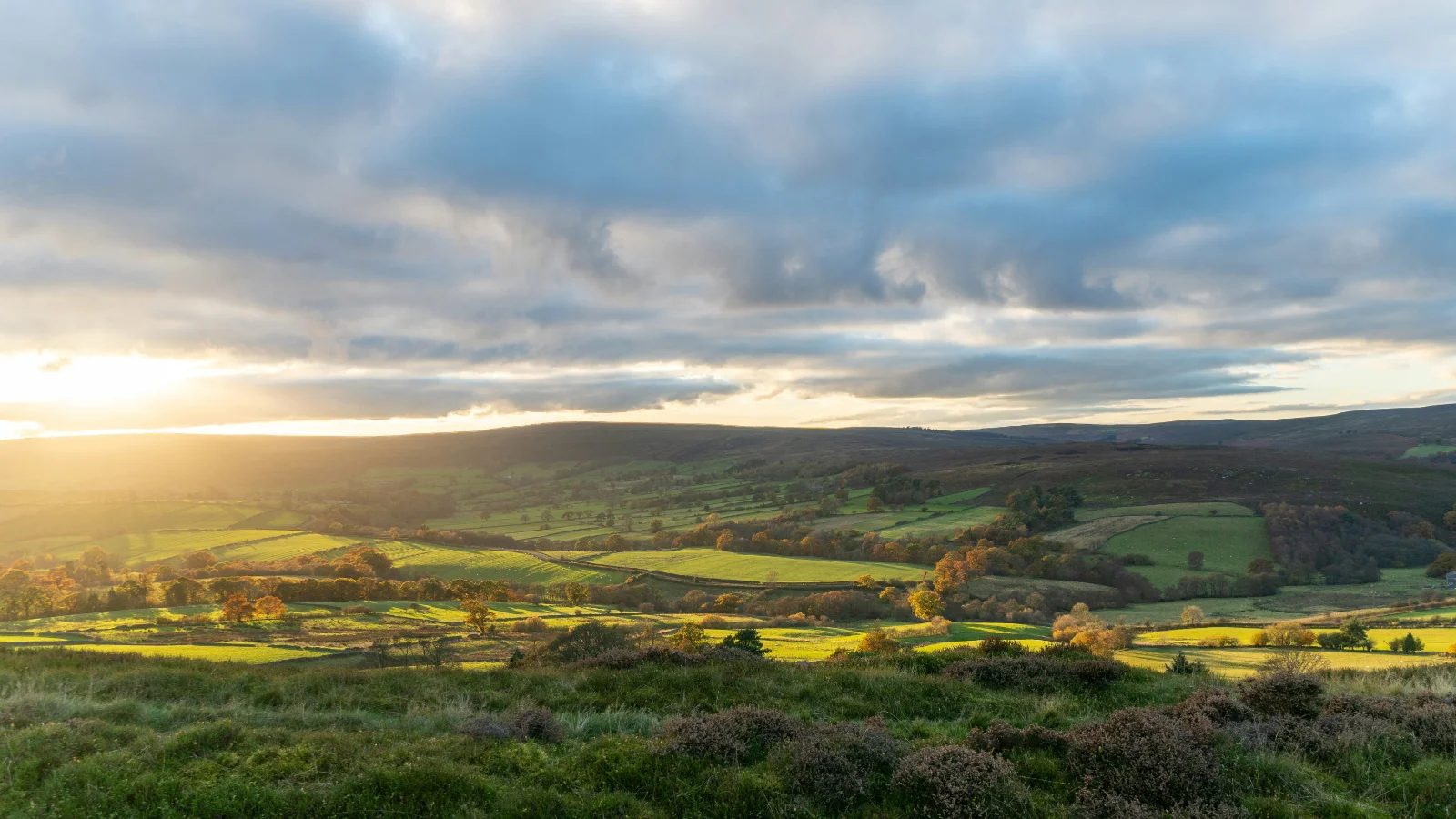
Calderdale Energy Park is a Zombie: The Crow Hill Evidence

The Walshaw Turbines Research Group (WTRG), part of Stronger Together, has published a detailed new analysis of Crow Hill and the proposed Calderdale Energy Park (CEP) on Walshaw Moor.

The report sets out the evidence behind potential legal action concerning the consultation for the proposed development at Crow Hill. WTRG argues that the consultation was unlawful under the principles of English common law governing lawful consultation, and that the evidence raises serious questions about the way the project has assessed peat landslide and bog-burst risk.

The Crow Hill problem

Crow Hill is central to the current Calderdale Energy Park proposal. WTRG’s analysis focuses on the proposed access infrastructure required to bring turbine components and construction materials onto the site, including the 616,000 tonnes of imported noncalcareous hardstone identified in WTRG’s earlier report.

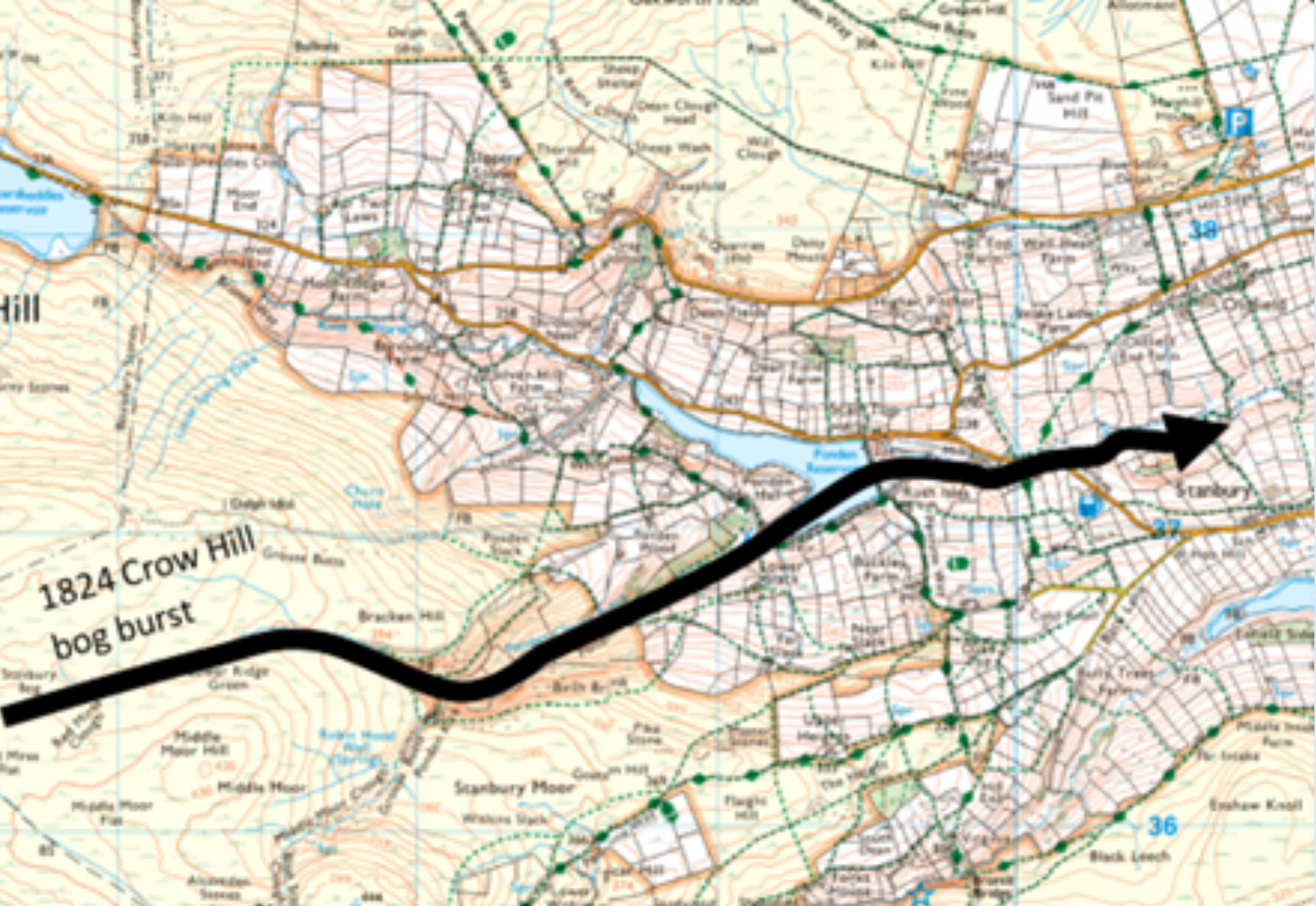
The proposed access route crosses an area which WTRG says has an exceptional history of peat instability and repeated bog bursts, including recorded events in 1824 and a further bog slide in 1989. The report argues that this history makes Crow Hill fundamentally different from the areas normally assessed using standard peat landslide susceptibility methods.

WTRG also challenges the Preliminary Peat Landslide Hazard and Risk Assessment in PEIR Appendix 10-4, arguing that it contains serious errors and omissions in its treatment of the Crow Hill evidence. Among the issues identified are the omission of the 1989 bog slide from the assessment despite references to the relevant published evidence, and the lack of peat-depth data needed to properly assess the proposed access route.

A late change with major consequences

The report examines the history of the Calderdale Energy Park site boundary and argues that Crow Hill was brought into the proposal at a late stage, after earlier iterations of the development had avoided it.

WTRG also considers advice from the Planning Inspectorate (PINS) concerning material changes to the proposed development, environmental constraints, the mitigation hierarchy and the need to explain how the design has evolved. The report argues that the extension onto Crow Hill represents a significant change that should have triggered further scrutiny and consultation.

The analysis also compares the chosen Crow Hill access route with the alternative approach through Halifax. WTRG argues that the Halifax route presented finite engineering difficulties, whereas the Crow Hill route introduces what it describes as potentially indefinite risks associated with peat instability and bog bursts.

The legal question

The Crow Hill evidence is being prepared as the basis for a letter-before-action from Haworth-with-Stanbury Parish Council. WTRG says the proposed legal action concerns whether the consultation carried out by Calderdale Wind Farm Ltd, financed by Algihaz, complied with the requirements of English common law.

The report argues that the significance of the evidence extends beyond the immediate consultation. If the issues identified by WTRG cannot be resolved, it says they could become relevant to the future Development Consent Order (DCO) process and any subsequent judicial review.

WTRG’s conclusion is stark: the current proposal cannot proceed on Crow Hill without confronting the evidence concerning peat instability, the adequacy of the environmental assessment, the consultation process and the choice of access route.

The report therefore argues that Calderdale Energy Park should be withdrawn, or fundamentally redesigned to avoid Crow Hill, followed by further consultation.

Calderdale Energy Park is a zombie, WTRG argues. This report sets out the Crow Hill evidence behind that conclusion — and explains why the legal and planning questions surrounding the proposal are becoming increasingly difficult for Algihaz to ignore.

The views and allegations summarised above are those of the Walshaw Turbines Research Group and are set out in its full report.

Stop Calderdale Energy Park © by Stronger Together to Stop Calderdale Windfarm

Stronger Together to Stop Calderdale Windfarm is licensed under Creative Commons Attribution-NonCommercial-ShareAlike 4.0 International

Alternatives to Walshaw Moor: WTRG Report on Algihaz Site Selection

The Walshaw Turbines Research Group (WTRG), part of Stronger Together, has published its second report for Mustapha Hajjar, CEO of Algihaz Holding. The report examines one of the most important questions surrounding the proposed Calderdale Energy Park (CEP): what alternatives to Walshaw Moor were considered, and how was the site selected?

The report follows advice logged by the Planning Inspectorate (PINS) following a meeting with Calderdale Wind Farm Ltd on 15 July 2026 concerning the need for a clear approach to alternatives in the consultation documents and Development Consent Order (DCO) application.

Why alternatives matter

WTRG argues that Walshaw Moor is an exceptionally sensitive location for a major wind farm development.

The site is designated as both a Special Area of Conservation (SAC) and a Special Protection Area (SPA). It is also associated with internationally significant literary and cultural heritage, including the landscape of the Brontë country.

The report argues that these characteristics make the proper consideration of alternative sites particularly important. It also links the question of alternatives to the aggregate issue examined in WTRG’s first report: if Algihaz did not properly understand the site’s geology and construction-material requirements when carrying out its 2021 due diligence, WTRG questions how alternative sites could have been properly assessed at the same time.

Walshaw Moor compared with other protected sites

The report compares Walshaw Moor with other English sites that are designated as both SAC and SPA, including Ashdown Forest, the landscape associated with Winnie-the-Pooh and The House at Pooh Corner, as well as the North York Moors, North Pennine Moors and New Forest.

WTRG argues that, when SAC, SPA and internationally recognised heritage are considered together, Walshaw Moor is the most extreme site in England for a wind farm proposal on these particular criteria, with Ashdown Forest its closest comparator.

A question for the planning process

The report argues that the exceptional characteristics of Walshaw Moor mean that the explanation of site selection and alternatives will require particularly careful scrutiny as the Calderdale Energy Park proposal progresses.

WTRG says the Planning Inspectorate’s advice makes the issue especially relevant to the forthcoming DCO process and argues that a clear and credible account of alternatives will be essential.

The full report examines the alternatives issue in considerably more detail, including the Planning Inspectorate’s advice, the comparison with other protected sites and WTRG’s analysis of the history of the Calderdale Energy Park proposal.

The views and allegations summarised above are those of the Walshaw Turbines Research Group and are set out in its full report.

Stop Calderdale Energy Park © by Stronger Together to Stop Calderdale Windfarm

Stronger Together to Stop Calderdale Windfarm is licensed under Creative Commons Attribution-NonCommercial-ShareAlike 4.0 International
Algihaz Due Diligence Failure: WTRG Report on Walshaw Moor

The Walshaw Turbines Research Group (WTRG), part of Stronger Together, has published the first in a series of reports for Mustapha Hajjar, CEO of Algihaz Holding, concerning the proposed Calderdale Energy Park (CEP) on Walshaw Moor.

This first report examines what WTRG argues was a significant failure of due diligence by Algihaz in November 2021, particularly concerning the availability and suitability of construction aggregates for the proposed development.

The 616,000-tonne aggregate issue

A central issue is the eventual identification of a requirement for approximately 616,000 tonnes of imported noncalcareous hardstone.

WTRG argues that this should have been identified during Algihaz’s original due diligence before the agreement concerning Walshaw Moor was signed. The report points to information that was already available concerning the weakness and suitability of local rock and argues that the aggregate requirement should therefore have been understood much earlier.

The requirement has significant implications beyond construction. The report describes a proposed delivery programme involving approximately 30,800 HGVs, carrying the imported material, with consequential impacts on communities and roads well beyond Walshaw Moor.

Legal action over consultation

The aggregate issue has now also become the subject of a letter-before-action sent to Calderdale Wind Farm Ltd and Algihaz.

Colne Town Council and Laneshaw Bridge Parish Council are the claimants. WTRG says it supplied technical evidence and legal advice in support of the letter, which argues that the failure to properly consult affected communities about the substantial imported aggregate requirement raises issues under the principles of English common law governing lawful consultation.

WTRG considers this the first effective legal action taken against Algihaz in relation to the Walshaw Moor proposal. The report also notes that a further letter-before-action is being developed concerning a different aspect of the project and involving another claimant.

Why the due diligence issue matters

For WTRG, the significance of the aggregate problem extends beyond the material itself.

The report argues that the failure to identify such a fundamental engineering and geological issue during the 2021 due diligence process is also relevant to the question of whether alternative sites to Walshaw Moor were properly considered. That issue is examined in WTRG’s second report.

The full report contains the detailed evidence and analysis behind these arguments.

The views and allegations summarised above are those of the Walshaw Turbines Research Group and are set out in its full report.

Stop Calderdale Energy Park © by Stronger Together to Stop Calderdale Windfarm

Stronger Together to Stop Calderdale Windfarm is licensed under Creative Commons Attribution-NonCommercial-ShareAlike 4.0 International

Yet more mistakes by CEP spotted by us

From Nick MacKinnon (Editor) WTRG

Upper Heights Farm, Stanbury, BD22 0HH

01535 649359

nipmackinnon@gmail.com

To: Christian Egal (Project Director); Christopher Wilson (Executive Chair); Ghazi Osman (Director of

CWF Ltd) Katherine King (Planning Inspectorate)

Material errors in the PEIR for Calderdale Energy Park Preliminary Peat Slide Hazard Assessment

PEIR Appendix 10-4. Consultants OWC, author AJM.

PEIR Appendix 10-4 on peat slide hazard written by AJM of OWC, uses (five times) a reference Ross (2020) to assess the historical frequency of peat slides in the study area. Ross (2020) is a book Charlottle Bronte at the Anthropocene, by Shawna Ross, and gives what is presently the master account of the 1824 Crow Hill bog burst, which is why AJM used it five times in the OWC report.

Calderdale Energy Park are using the north slope of Crow Hill as the sole access for AIL.

Because CWF Ltd have failed (prior to Statutory Consultation) to probe the ground north of Crow Hill up which the turbine components track must come, the analysis of peat slide risk on Crow Hill in the PEIR relies heavily on the references. It is clear that the author AJM of OWC did not read Ross (2020) because the analysis in PEIR 10-4 has no mention of the 1989 peat slide on Crow Hill, which is described in Ross (2020) on page 68. Ross gives a further reference to Dykes and Warburton, Mass Movements in Peat (2007), in which a photograph will be found of the 1989 Crow Hill peat slide. Dykes & Warburton (2007) is referenced in the Appendix 10-4 (for example in 4.2.1) but the author has clearly not studied that reference carefully enough to find the photograph of the 1989 peat slide on Crow Hill.

Because OWC failed to find the 1989 Crow Hill peat slide in their own references, the report falsely informs the Statutory Consultees that the peat slide risk on Crow Hill is historical. The OWC report states:

“A bog burst was documented on Crow Hill near Haworth by Brontë in 1824, and this is likely the nearest recorded failure to the Turbine Area (Ross, 2021).”

“Outside the Turbine Area to the north, the Crow Hill bog burst (a much reported peat landslide, documented by Rev. Patrick Brontë (Ross, 2020) is located to the west of the Western Access Route. The landslide took place in 1824 (c. 200 years ago), and remains visible in the landscape (Plate 3.3d).”

Note the slapdash reference to “Ross 2021” and the unnecessary “c. 200 years ago” as though the Statutory Consultees were unable to subtract 1824 from 2026. The force of “c. 200 years ago” was not to help the Statutory Consultees with the subtraction but to persuade the Statutory Consultees that the peat slide risk on Crow Hill was historical, when in fact the reference that OWC were using to make that point described the 1989 Crow Hill peat slide on page 68 and gave the reference to Dykes & Warburton with its photograph.

Further evidence that the author had not consulted an actual copy of their own reference is that no page references to Ross (2020) are given; there is a reference to a phantom edition Ross (2021); and the number of pages in Ross (2020) is given as the publisher’s leaf number (334 p) rather than the academic scientist’s page number (326 pages).

Perhaps alerted by my showing the book to Christian Egal and Ashley Robinson at the Denholme public consultation, AJM had bought a copy of Ross (2020) and had it at the Hebden Bridge consultation. He was still ignorant of the 1989 peat slide described on page 68 and I had to show it to him. He complained that the reference is mainly a work of literary criticism, but of course Ross (2020) is his reference.

The failure by CWF Ltd to present a correct account of the Peat Slide hazard on Crow Hill based on information that CWF Ltd already had in Ross (2020) and Dykes & Warburton (2007), which are their own references, is doubly culpable because the whole matter was laid out by us in our response to the CEP Scoping Report, adopted by the Secretary of State on 10 October 2025, where the 1989 peat slide on Crow Hill is analysed with full references on p 106.

Culpability is further increased by the failure of CWF Ltd to engage in “positive collaboration” with us as the Planning Inspectorate “encouraged” at their meeting with CWF Ltd on 26 January 2026.

1. OWC failed to read their own references and presented an account of peat slides on Crow Hill as historical (“over c.200 years ago”) when their own references described and even gave a photograph of a peat slide on Crow Hill in 1989.

2. The matter was pointed out by WTRG of Stronger Together in response to the Logika Scoping Report, so failure to report the 1989 peat slide was inexcusable.

3. The Planning Inspectorate “encouraged … positive collaboration” with the authors of the Stronger Together response to the Scoping Report, but CWF Ltd chose to completely ignore our Scoping Report response, causing CWF Ltd to fail to discover the 1989 peat slide and mislead the Statutory Consultees in the PEIR.

We require CWF Ltd to re-run the Denholme, Oxenhope and Hebden Bridge public consultations on the basis of a full and correct account of their own references to the peat slide hazard on Crow Hill. The OWC report should be withdrawn and a full inquiry made into the use of references by the author, AJM, whose behaviour is not excused by his being a doctoral student of Jeff Warburton himself; in fact it makes his negligence on Crow Hill even more culpable.

Nick MacKinnon

Editor Walshaw Turbines Research Group

Stop Calderdale Energy Park © by Stronger Together to Stop Calderdale Windfarm

Stronger Together to Stop Calderdale Windfarm is licensed under Creative Commons Attribution-NonCommercial-ShareAlike 4.0 International