ABOUT THE BOOK OF BOGS
by Clare Shaw of the Boggarts
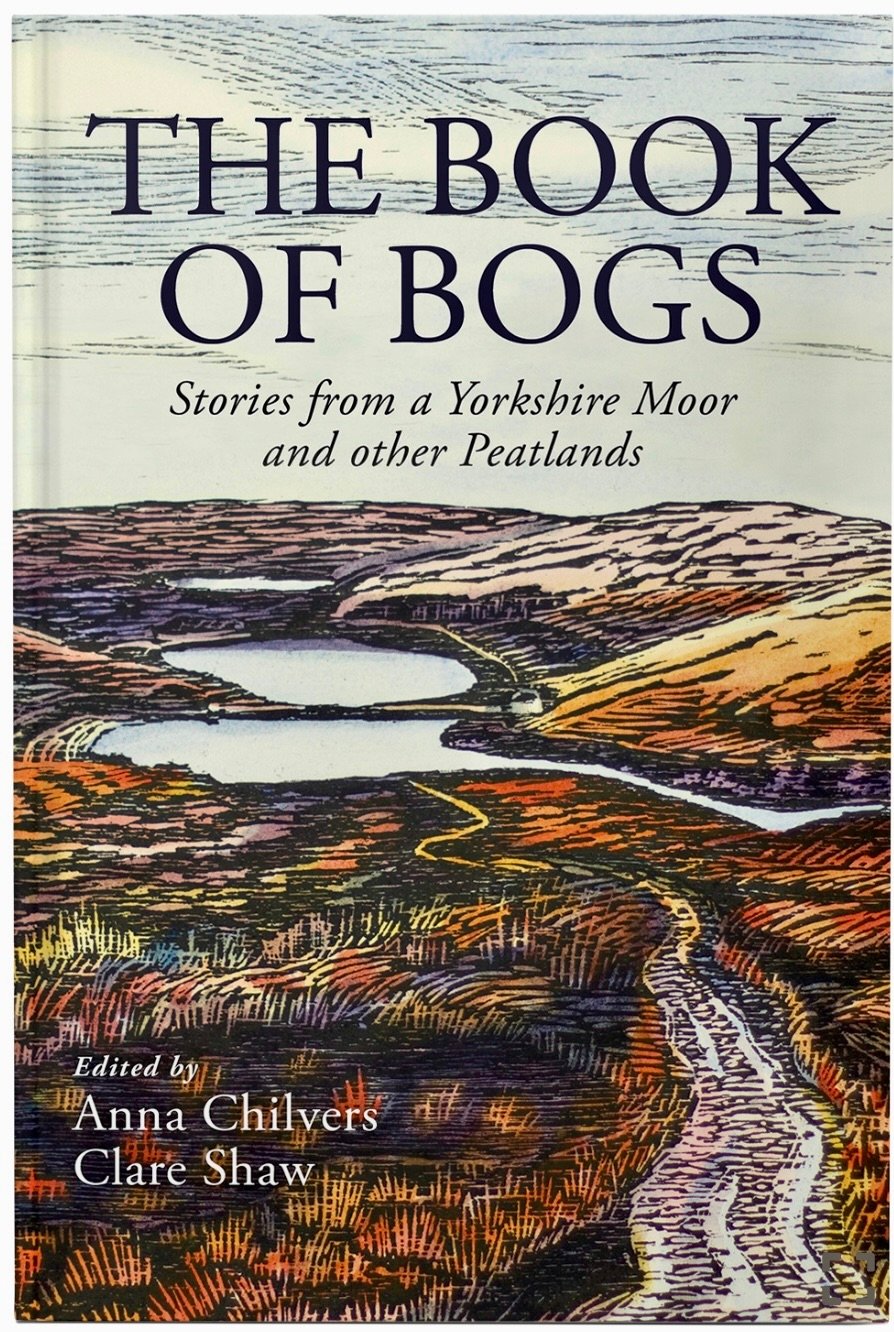
We were driven to make this book by what we saw as a general disconnection from peatland. The belief that moors and bogs are bleak, empty places leaves them profoundly vulnerable to development by commercial extraction, housing, farming, industry, energy infrastructure, munitions, hunting … . The anthology would be our way of countering this misconception; of letting people know that peat holds life, water, carbon, history – and if we look after it, it will hold our future as well.
Like the bog itself, our writing selves don’t do well with containment. The categories are loose, the themes overlap and reiterate. Peatlands are a transitional landscape, soft and shifting; a mosaic of ecosystems; a wealth of biodiversity. In their depth and fluidity, they reject binaries and boundaries. They offer us a model of diversity and interdependence, a reminder that whatever maps and categories we may erect – sex and gender, riverbanks and woodland, genre and chapter – are temporary, contingent and inadequate.
Bogs are endlessly varied, and the same is true of the writing in the Book of Bogs. Peat is full of living things, including stories. There are stories of scientific study and archaeological discovery; stories in fact and fiction; of myth and imagining; in poetry, in memoir and essay. There are stories of Brontës and birds, moss; grief and recovery; oppression and restoration. Stories of corruption and hope; from Walshaw Moor to the peatlands of Papua New Guinea and many, many more.
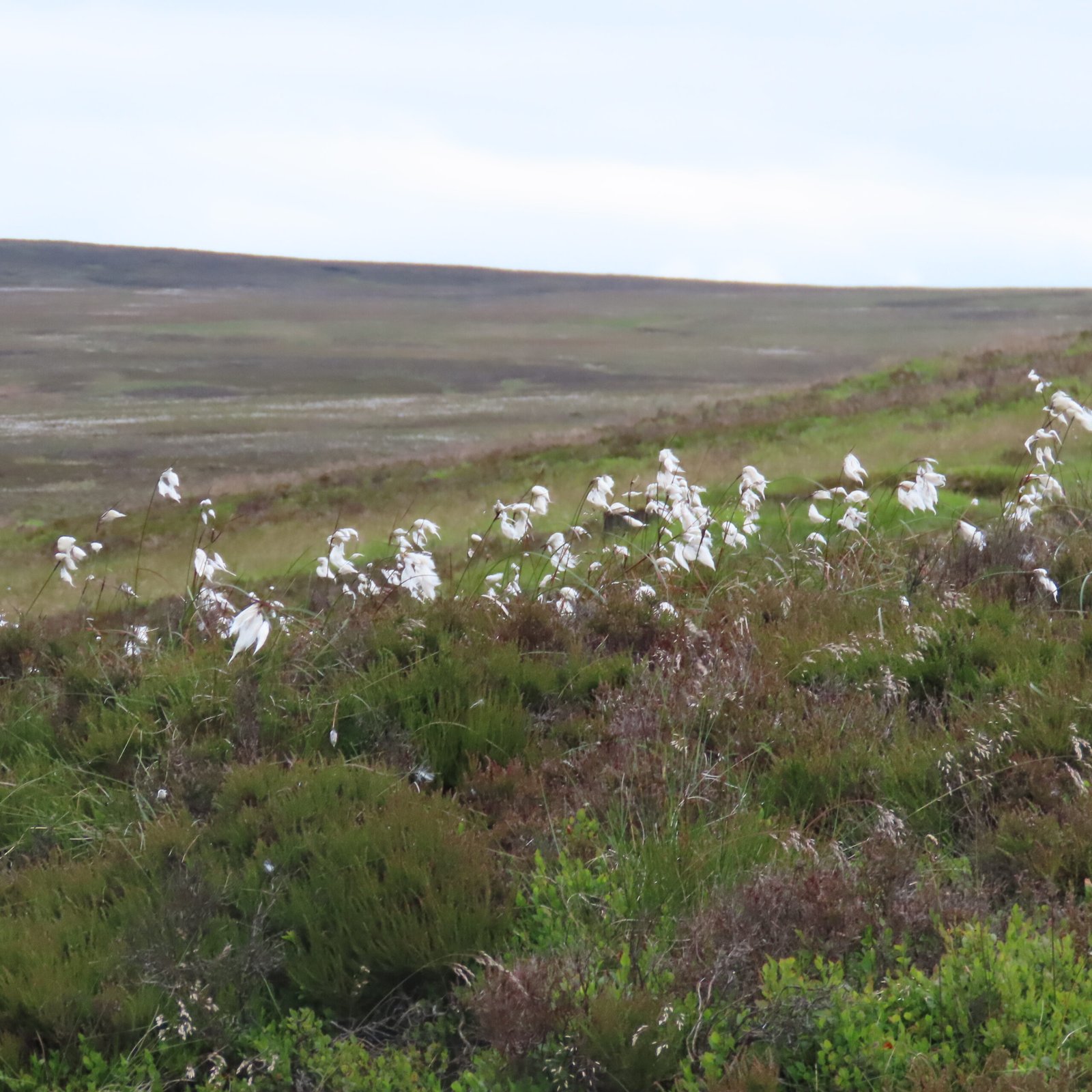
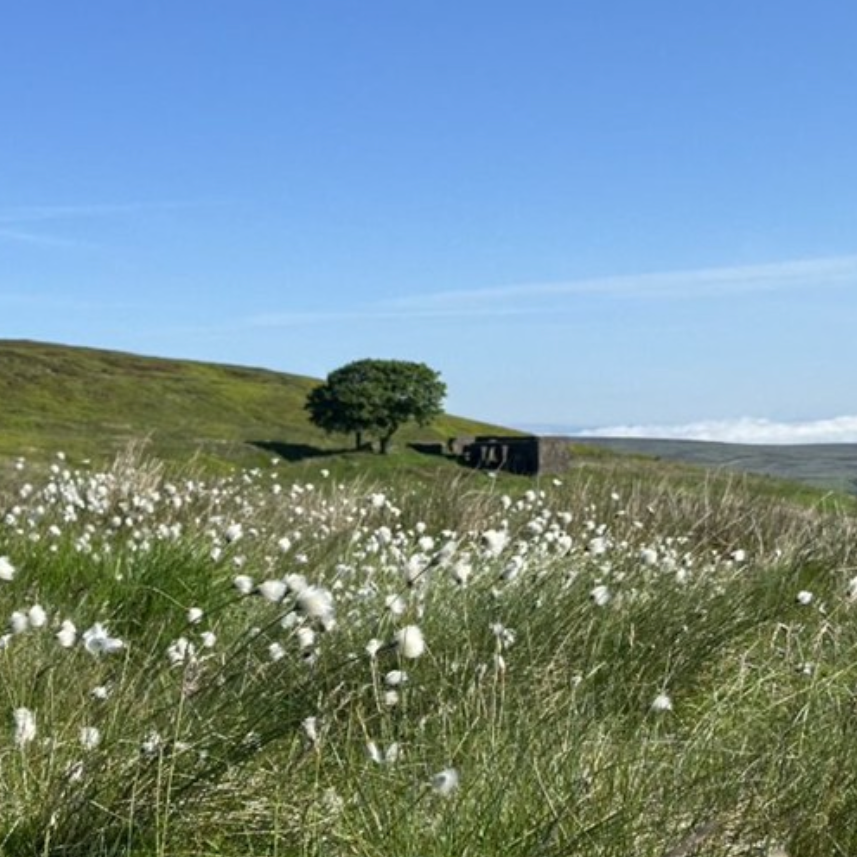
When you read the book you’ll learn about peatlands, but most of it, you will feel them. You’ll sense them and see them – the glow of moss, black water, the sweep of an open moor. Cottongrass, the clutch of mud. The smoked whisky smell of peat burning, the choked air of a burning moor. You’ll hear the curlew and lapwing, the sudden alarm of grouse. You’ll feel the earth, dark with history and myth. You’ll see yourself reflected there, in beauty and loss and hope.
How You Can Help
GETTING INVOLVED
Speak Out
Share your thoughts with your communities at home, online, and attend organised local meetings.
Write to Ed Miliband, current Secretary of State for Energy Security and Net Zero Secretary.State@energysecurity.gov.uk and tell them that there is no need to build wind farms on protected peatland.
Stronger Together
You are welcome to join our campaign group and add your voice and vote to the many - The Calderdale Windfarm Action Group is the main Facebook group representing all of the eight campaign groups of Stronger Together to Stop Calderdale Windfarm.
We'd love to have you on board with us.






MEDIA ENQUIRIES
For interviews and press/media enquiries please contact:
Lydia MacKinnon - 07766 333114
Penny Price - 07771 737274
stopcalderdalewindfarm@gmail.com
QUICK LINKS
Home
About
Read All About It
Press
Gallery
Privacy Statement
OUR GROUPS
The Boggarts
Calderdale Trades Union Council
Calderdale Windfarm Action Group
For Peat's Sake
Forus Tree
Upper Calderdale Wildlife Network
Walshaw Turbines Research Group
Worth Valley Against Calderdale Wind Farm